How Fuel Prices Are Determined in Kenya
Published March 2026
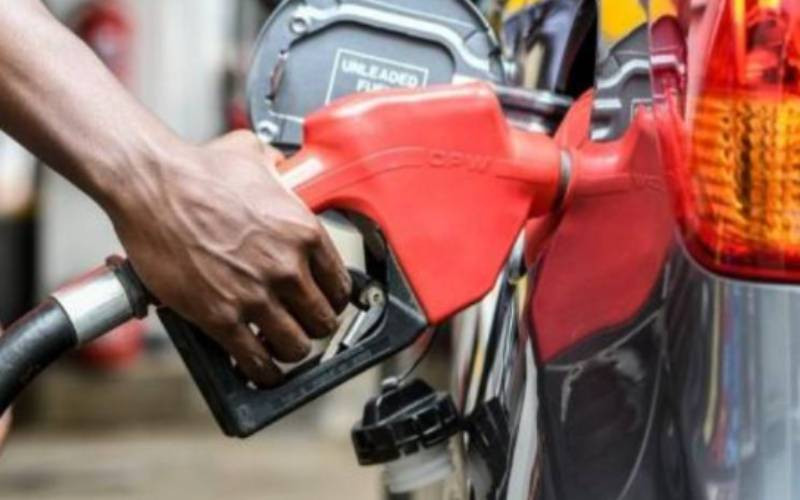
In Kenya, fuel prices are not left entirely to market forces. Instead, they are determined monthly by the Energy and Petroleum Regulatory Authority (EPRA) using a regulated pricing formula. This approach ensures transparency, fairness, and national consistency while protecting consumers from sudden and arbitrary price hikes. The formula accounts for multiple factors, ranging from global crude oil prices to local taxes and distribution costs.
Key Components of the Fuel Pricing Formula
EPRA’s pricing formula calculates the maximum wholesale and retail pump prices for petroleum products by considering several critical components:
- Landed Cost: This is the primary cost of importing petroleum products. It is heavily influenced by global crude oil prices and the exchange rate between the US Dollar and the Kenyan Shilling.
- Government Taxes and Levies: A significant portion of the pump price includes excise duty, the Petroleum Development Levy, and the Road Maintenance Levy. These funds help finance infrastructure, energy development, and government operations.
- Logistics and Distribution: Costs associated with jetty handling, primary storage, transportation from the port to depots, and final delivery to retail stations are incorporated into the price.
- Regulated Margins: EPRA sets specific margins for oil marketing companies (OMCs) and retail dealers to cover operating and capital costs while ensuring a reasonable return.
- Incidental Costs: Additional expenses, such as demurrage (penalties for port delays) and allowable storage losses, are also considered to ensure accurate cost recovery.
The Monthly Pricing Process
EPRA follows a structured and predictable process to determine fuel prices each month:
- Monthly Review: Every 14th of the month, EPRA applies the pricing formula to calculate new maximum prices for petrol, diesel, and kerosene. The revised prices take effect on the 15th.
- Weighted Average Calculation: The formula uses the weighted average cost of fuel cargoes imported and discharged at the Port of Mombasa during a specific period, typically from the 10th of the previous month to the 9th of the current month.
- Regulatory Oversight: Unlike fully deregulated markets, where prices fluctuate daily based on supply and demand, Kenya’s system provides price stability and consumer protection by controlling margins and monitoring costs.
Why This Approach Matters
Kenya’s regulated pricing mechanism helps stabilize the cost of fuel for consumers and businesses. By incorporating global, domestic, and logistical costs, EPRA ensures that prices reflect actual expenses while maintaining fairness. It also allows policymakers to adjust taxes, levies, and margins responsibly, ensuring that the country can finance critical infrastructure projects and road maintenance without exposing citizens to extreme volatility at the pump.
Conclusion
Understanding how fuel prices are determined in Kenya helps citizens appreciate the various factors that influence monthly pump prices. From global oil markets to local taxes and distribution costs, EPRA’s regulated formula provides a transparent, consistent, and fair approach to pricing petroleum products. For consumers and businesses alike, awareness of this process helps in budgeting and planning for fuel-related expenses.